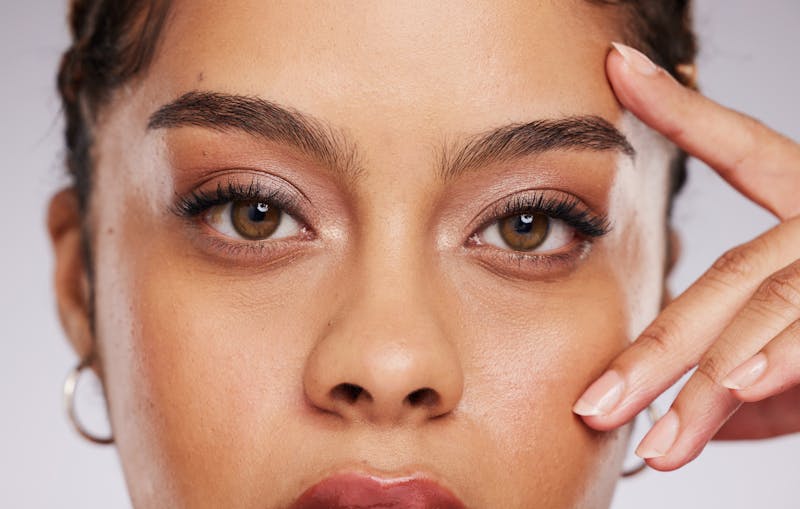
At the Klausner Institute, Dr. Lee Ann M. Klausner, a double board-certified facial plastic surgeon and fellow of the American College of Surgeons, approaches eyelid surgery with a refined, detail-driven philosophy that preserves natural expression. After blepharoplasty, how you care for your skin influences how your results settle. Proper care keeps the incision sites protected, supports even healing, and helps ensure your results remain smooth and natural-looking.
With the right structure in place, recovery becomes straightforward and predictable. Below is a clear guide to managing skincare, makeup, and daily habits after eyelid surgery.
The First Few Days: Protecting Your Results
The first few days focus on protecting the surgical site as your body begins the healing process. Swelling and bruising are expected, but this is also when the eyelid skin is most sensitive and prone to irritation.
To protect your results during this phase:
- Keep the area clean: Follow your post-operative cleansing instructions carefully, using only what has been recommended.
- Use cold compresses: Apply as directed to help reduce swelling and maintain comfort.
- Sleep with your head elevated: Keeping your head raised helps limit fluid accumulation around the eyes.
- Avoid contact or pressure: Do not touch the incision sites or introduce products unless specifically approved.
Reducing unnecessary contact during this period helps maintain a controlled healing environment and protects the precision of your procedure.
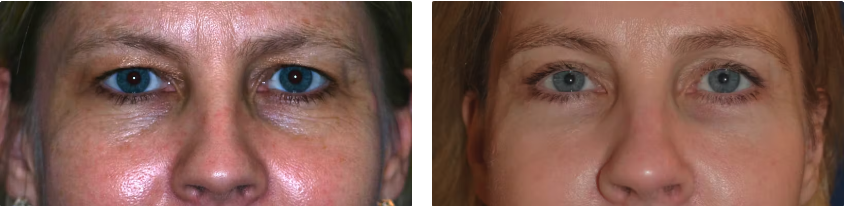
*Real Patient: Upper Blepharoplasty
When to Restart Skincare
Skincare should be reintroduced in a staged, deliberate way. The eyelid area heals quickly, but it remains more reactive than usual in the early phases.
Gentle cleansing is typically resumed within the first week, once approved. Shortly after, lightweight, fragrance-free moisturizers can be introduced to maintain hydration. Active ingredients, including retinol, exfoliating acids, and stronger corrective products, are generally postponed for several weeks until the skin has fully stabilized.
Makeup After Eyelid Surgery
Makeup should only be reintroduced once the skin has fully closed and sutures have been removed. Starting too early can disrupt healing or introduce irritation. Most patients resume eye makeup around 10 to 14 days after surgery. A measured, controlled approach helps protect the eyelids while allowing you to return to your routine.
When reintroducing makeup, follow these guidelines:
- Choose gentle formulas: Select products formulated for sensitive eyes to minimize irritation.
- Use clean tools: Fresh brushes and applicators reduce the risk of introducing bacteria.
- Apply with minimal pressure: Avoid stretching the eyelid during application.
- Remove makeup carefully: Use a mild cleanser and slow, controlled movements.
Once healing is complete, patients often notice easier application, particularly when excess skin or puffiness has been addressed through surgery.
Supporting a Smooth Recovery
Consistent daily habits help maintain steady healing and reduce the likelihood of setbacks. Small adjustments during this period can make recovery more efficient and comfortable.
To support recovery:
- Stay hydrated: Proper hydration supports tissue repair and overall recovery.
- Avoid strenuous activity: Resume exercise only after you have been cleared.
- Protect your eyes from the sun: Sunglasses help shield the eyelids and reduce unnecessary strain.
- Follow your post-operative plan: Staying consistent with instructions helps avoid complications.
As swelling resolves, the eyes gradually appear more defined and refreshed, reflecting the intended surgical outcome.
Thoughtful Recovery Leads to Lasting Results
At the Klausner Institute, Dr. Klausner treats recovery as an essential part of achieving precise, natural-looking outcomes. Careful aftercare allows the surgical work to settle properly and helps maintain long-term consistency in your results.
If you are considering eyelid surgery or want guidance tailored to your recovery, schedule a consultation with Dr. Klausner. Her experience in facial plastic surgery and meticulous approach ensure every stage of your care, from procedure through healing, is handled with precision.