Schedule a Consultation
a more confident version of you
Contact Us


Nasal obstruction may contribute to poor sleep, exercise limitations, chronic congestion, mouth breathing, and a reduced quality of life. At the same time, many patients who struggle with nasal function may also feel dissatisfied with the appearance of their nose. Fortunately, functional nose surgery can often address both concerns simultaneously.
As a double board-certified facial plastic and reconstructive surgeon and board-certified otolaryngologist (ear, nose, and throat surgeon), Dr. Lee Ann M. Klausner brings a unique combination of aesthetic expertise and advanced knowledge of nasal anatomy to every procedure. Recognized as a Castle Connolly Top Doctor, NewBeauty Top Beauty Doctor, and Fellow of the American College of Surgeons (FACS), Dr. Klausner specializes in personalized treatment plans designed to improve nasal function while preserving or enhancing facial harmony.
In this guide, we'll explain how functional nose surgery works, the conditions it can treat, how it differs from cosmetic rhinoplasty, who may be a candidate, what recovery looks like, and how specialized NYC clinics approach treatment planning for both breathing and appearance concerns.
Functional nose surgery refers to procedures that improve the nose's function, particularly airflow and breathing. Unlike purely cosmetic procedures, functional surgery is designed to correct structural abnormalities that interfere with normal nasal function.
It offers patients:
According to the American Academy of Otolaryngology–Head and Neck Surgery, functional nasal surgery is often performed to address anatomical causes of nasal obstruction and improve airflow through the nose.
Functional rhinoplasty focuses on improving the internal structures of the nose to restore proper breathing. Primary goals include:
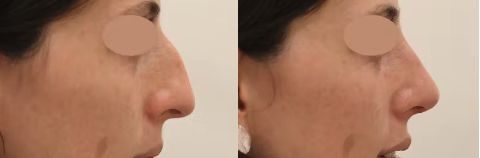
*Real Patient Results - Functional Rhinoplasty
Cosmetic rhinoplasty focuses on improving the external appearance of the nose. Common aesthetic goals include:
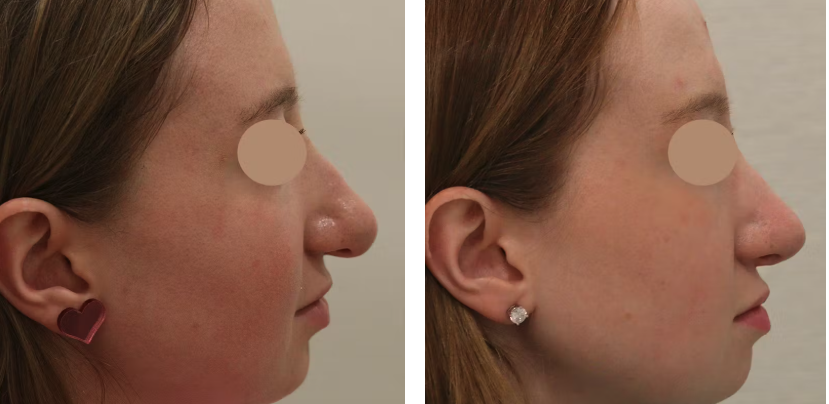
*Real Patient Results - Cosmetic Rhinoplasty
Many patients choose to address both concerns during a single procedure. Benefits may include:
|
Structural Issue |
Common Symptoms |
Potential Treatment |
|
Deviated Septum |
Difficulty breathing, congestion, snoring |
Septoplasty |
|
Nasal Valve Collapse |
Airflow restriction, worsening symptoms during exercise |
Nasal valve repair |
|
Turbinate Enlargement |
Chronic congestion, blockage |
Turbinate reduction |
|
Nasal Trauma |
Obstruction, asymmetry, breathing difficulties |
Functional rhinoplasty |
|
Septal Perforation |
Crusting, whistling, bleeding |
Septal perforation repair |
|
Prior Rhinoplasty Complications |
Breathing difficulty, collapse, deformity |
Revision functional rhinoplasty |
Septoplasty corrects a deviated nasal septum, the wall separating the nasal passages. The procedure may:
The nasal valve is the narrowest portion of the nasal airway and a common source of breathing difficulty. Repair techniques may include:
Turbinates are structures within the nose that help filter and humidify air. When enlarged, they may contribute to:
Reduction procedures can improve airflow while preserving normal nasal function.
Functional rhinoplasty may combine several techniques to address both internal support and nasal airflow.
Possible components include:
Septal perforation repair addresses holes within the nasal septum that may develop due to trauma, previous surgery, inflammatory conditions, or other causes.
Goals include:
You may be a candidate if you experience:
However, not all breathing concerns have the same cause. A thorough consultation allows Dr. Klausner to evaluate:
The best candidates are generally healthy individuals with realistic expectations and clearly defined concerns.
Recovery varies depending on the complexity of the procedure and whether cosmetic refinements are performed simultaneously. Here’s what you can generally expect:
|
Recovery Stage |
What to Expect |
|
First Week |
Swelling, congestion, mild discomfort |
|
1–2 Weeks |
Return to many normal daily activities |
|
2–4 Weeks |
Improvement in breathing as swelling decreases |
|
4–6 Weeks |
Gradual return to exercise as approved |
|
Several Months |
Continued refinement of swelling and nasal function |
|
Up to 1 Year |
Final healing and stabilization of results |
First Few Days
First Week
First Month
Long-Term Recovery
Insurance coverage depends on the nature of the procedure. In many cases, insurance may cover surgery when it is deemed medically necessary to correct documented breathing problems or structural abnormalities.
Coverage often depends on:
Cosmetic portions of surgery are generally not covered by insurance, but a consultation can help determine which aspects of treatment may qualify for coverage.
When researching clinics offering functional nose surgery in NYC, consider factors such as:
Because breathing and appearance are closely connected, patients often benefit from choosing a surgeon who understands both aspects of nasal surgery. Dr. Klausner's advanced training in facial plastic surgery and otolaryngology allows her to improve nasal function while enhancing aesthetics.
Septoplasty corrects internal structural issues affecting breathing, while rhinoplasty focuses on changing the shape of the nose. Functional rhinoplasty may combine elements of both.
Yes. Some functional procedures may improve appearance indirectly, while combined functional and cosmetic rhinoplasty can address both breathing and aesthetic concerns simultaneously.
Most patients return to normal daily activities within one to two weeks, though swelling and healing continue for several months.
Most patients report mild to moderate discomfort that is manageable with prescribed medications and post-operative care instructions.
Coverage varies depending on your diagnosis, insurance plan, and whether the procedure is considered medically necessary.
Many patients seek functional revision surgery after prior rhinoplasty. A comprehensive consultation can determine whether revision treatment may help address ongoing breathing concerns.
Functional nose surgery is not a one-size-fits-all procedure; the first step is understanding the underlying cause of your symptoms. Dr. Lee Ann M. Klausner believes successful treatment begins with a comprehensive evaluation and a personalized approach. As a double board-certified facial plastic and reconstructive surgeon and board-certified otolaryngologist, she combines advanced expertise in nasal function with a refined understanding of facial aesthetics to develop treatment plans tailored to each patient's unique anatomy and goals.
If you're considering functional nose surgery, a consultation can help determine the source of your breathing concerns, explore your treatment options, and create a plan that supports both long-term nasal function and facial harmony. Contact the Klausner Institute today to schedule your consultation.