Schedule a Consultation
a more confident version of you
Contact Us

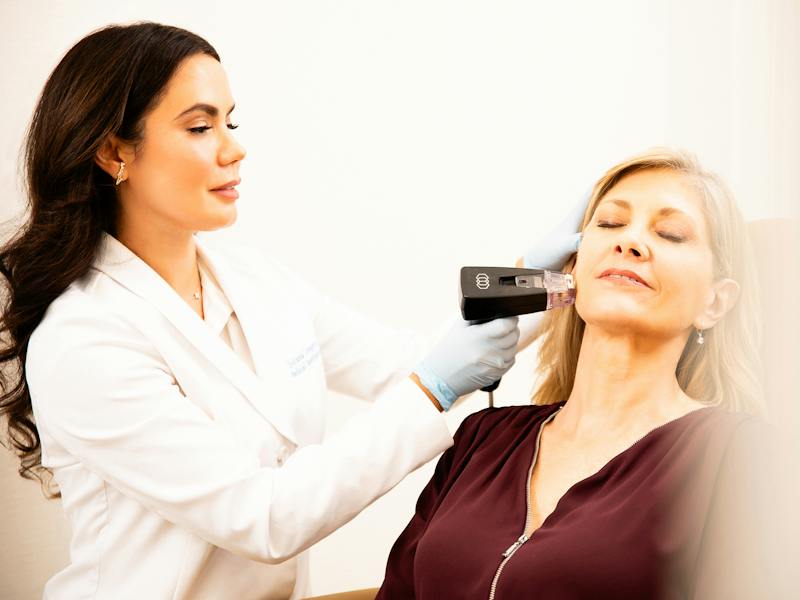
Morpheus8 can be used on the body, including the abdomen, arms, and knees. This fractional radiofrequency microneedling treatment may help address loose skin and uneven texture without surgery. At Klausner Institute, Dr. Lee Ann M. Klausner, a double board-certified facial plastic surgeon, and her clinical team offer Morpheus8 in Manhattan for patients who want to refine skin quality well beyond the face.
This guide explains which areas can be treated, how body treatment differs from facial treatment, and what research suggests about acne scars, stretch marks, and C-section scars. Each section answers one question on its own, so you can start wherever your concern lies.
Morpheus8 Body can be used on the abdomen, upper arms, thighs, knees, and other areas below the neck. The treatment pairs microneedling with radiofrequency (RF) energy and may help address skin laxity and uneven texture in places where diet, exercise, and topical products often reach their limits.
Areas commonly treated with Morpheus8 in Manhattan include:
Depth is what sets the body platform apart. According to Practical Dermatology, Morpheus8 Body uses a 40-pin array that reaches up to 7mm into subdermal tissue, with RF energy creating a total thermal profile depth of 8mm. That makes it the most deeply penetrating fractional RF option available.
Patients with significant excess skin may find that a surgical option, such as a tummy tuck or arm lift, addresses their concerns more fully. A consultation helps determine whether Morpheus8 or another approach suits your goals and your skin.
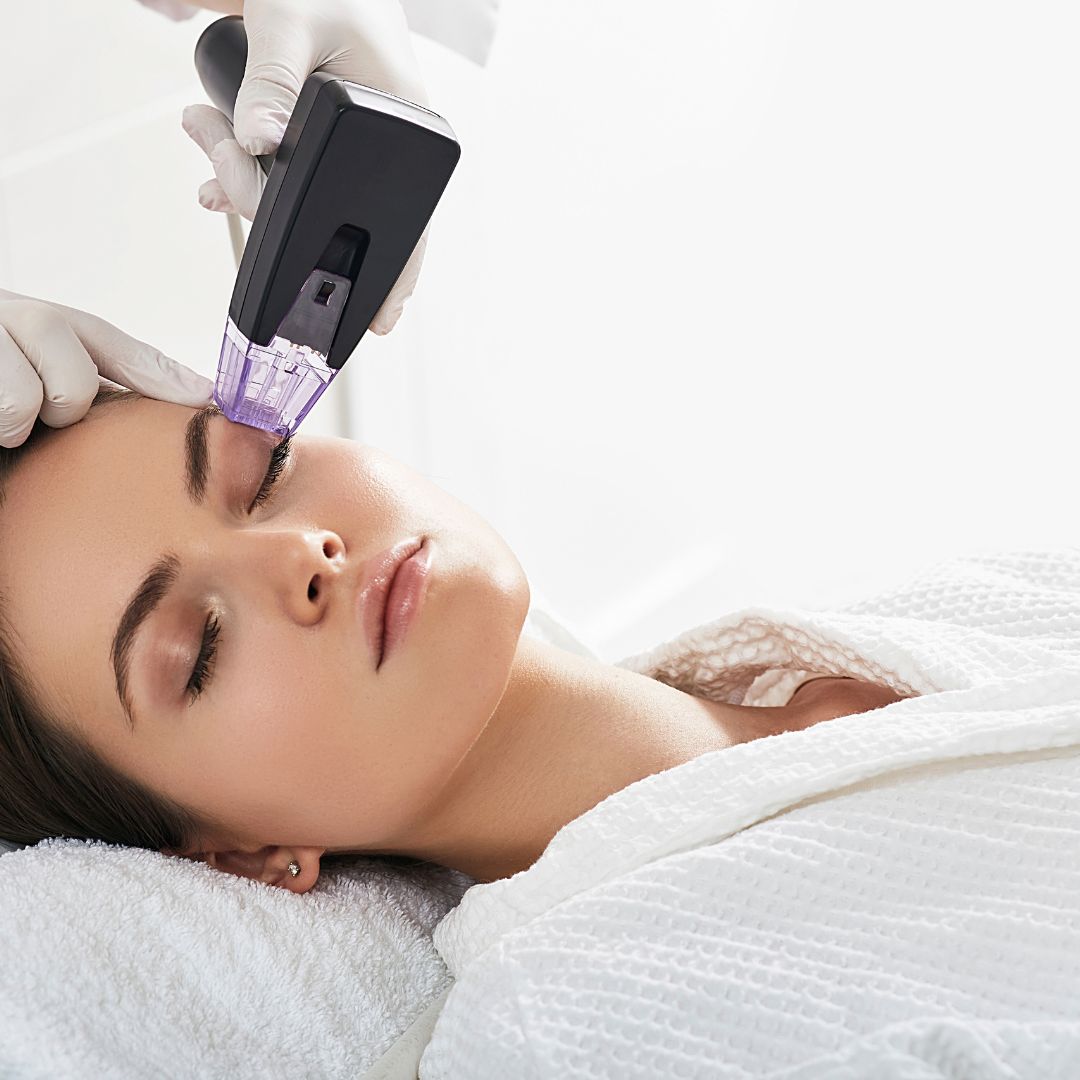
A body session begins with a skin evaluation and a conversation about goals. The clinical team cleanses the area, applies topical numbing, and passes the handpiece over the treatment zone in a planned pattern. Larger areas such as the abdomen take longer than smaller ones such as the knees.
Afterward, the skin commonly looks pink and feels warm, similar to a mild sunburn. Pinpoint marks and light swelling may appear and generally settle over several days. Skin quality may continue to change over the following weeks as the body completes its natural renewal process, and a series of sessions is often discussed.
Morpheus8 face and body treatments rely on the same core technology, but they differ in handpiece design, treatment depth, and session logistics. Facial treatment focuses on delicate zones such as the jawline and neck, while body treatment is built for thicker skin and larger surface areas.
The main differences include:
Body treatment is planned as its own protocol. Settings and area selection are chosen around skin thickness, goals, and comfort, and the team at Klausner Institute explains each step before treatment begins. You can read more about the technology on the Morpheus8 microneedling page.
Session planning also varies. Facial treatment often targets a single contained area, while a body plan may address several zones across multiple visits. The clinical team may space sessions several weeks apart so the skin has time to recover and respond between treatments.
Downtime tends to be modest for both, though the deeper settings used on the body can mean more noticeable redness or tenderness. Avoiding intense heat, heavy exercise, and sun exposure for a short period afterward is commonly recommended. Aftercare instructions are tailored to the areas treated.
Morpheus8 may help improve the appearance of certain acne scars, particularly shallow, textural scars such as rolled or boxcar types. Microneedling creates controlled channels in the skin, and RF energy delivered through those channels is intended to stimulate the skin's natural remodeling response.
Research offers some insight into that response. A review indexed by the National Center for Biotechnology Information notes that radiofrequency can initiate re-epithelialization. Coagulated columns in the dermis showed mixed cellular infiltration, new blood vessel formation, and granulation tissue as early as four days after treatment. These are the early steps of tissue renewal.
Deeper or narrow ice pick scars often respond best to a combined plan, which may include complementary options such as laser resurfacing. Active breakouts may need to be managed first. Results vary, and most patients are evaluated individually before a plan is recommended.
Patients with settled, healed acne scars and no active infection in the area are generally the best fit for RF microneedling. Skin type, scar depth, and past treatments all shape the plan, so an in-person assessment helps set realistic expectations before any session is scheduled.
Morpheus8 may help improve the look of stretch marks and C-section scars, though results vary by scar maturity, skin type, and the number of sessions completed.
Stretch marks, also called striae, form when the skin stretches faster than it can adapt, often during pregnancy, growth spurts, or weight changes. A prospective study using 3D standardized camera imaging tracked volume changes in patients who completed four fractional radiofrequency sessions. Participants averaged a 19.1% reduction in total striae volume 16 weeks after treatment.
Because that research examined fractional RF broadly, individual outcomes with Morpheus8 can differ. Newer, reddish stretch marks and older, paler ones may also respond differently, which is one reason a skin evaluation comes first.
C-section scars sit in an area where scar tissue can feel firmer or look slightly raised or indented. Once the incision has fully healed and a provider has cleared the area, RF microneedling may help soften the appearance of the scar's texture. Timing matters, so treatment generally waits until healing is complete.
Scars from earlier deliveries tend to be more settled, while recent ones may need additional healing time. The clinical team can assess the scar's firmness and texture, then discuss whether a series of treatments fits the area and the patient's goals.
Klausner Institute is a private facial plastic surgery practice on Park Avenue in New York City's Upper East Side, offering surgical and nonsurgical options under one roof. Patients exploring Morpheus8 can review the practice's full range of skin tightening treatments and body procedures before visiting.
Ready to find out whether Morpheus8 suits your abdomen, arms, knees, or scars? Schedule a consultation to speak with the team today.
This information is provided for educational purposes only and does not replace a consultation with a board-certified facial plastic surgeon. Outcomes, risks, and suitability vary from patient to patient.