Schedule a Consultation
a more confident version of you
Contact Us

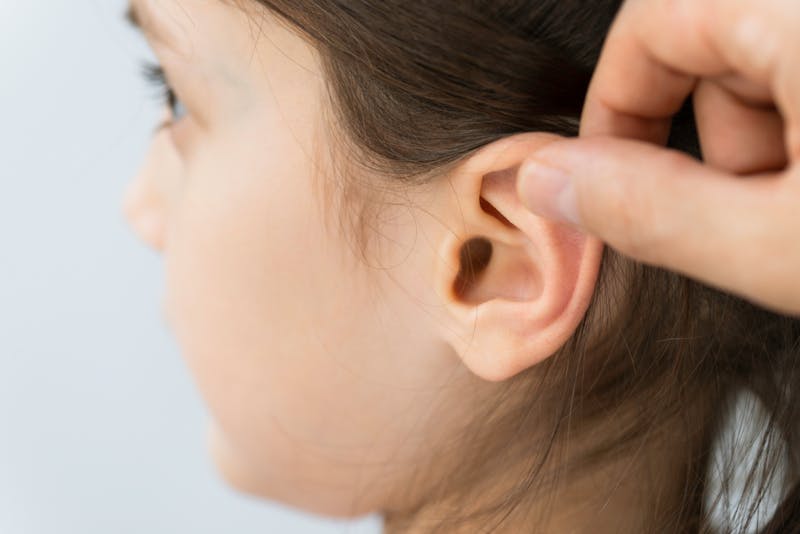
Ear pinning surgery, clinically known as otoplasty, is one of the most rewarding procedures Dr. Lee Ann M. Klausner performs at the Klausner Institute in New York City. It is also one of the few facial plastic surgery procedures that is appropriate for patients across a wide age range, from school-age children to adults well into their later years.
Whether the concern is prominent ears, asymmetry, or an irregular ear shape, otoplasty delivers reliable, lasting results with a favorable safety profile. This guide covers candidacy, technique, recovery, and what makes Dr. Klausner a trusted choice for ear surgery in New York.
Otoplasty is a surgical procedure that reshapes, repositions, or reduces the ears to improve their appearance in relation to the head and face. The most common goal is "ear pinning," setting ears that protrude noticeably closer to the sides of the head, though otoplasty can also correct ear asymmetry, reduce ear size, and address irregular contours caused by genetics or injury.
The procedure is performed under local anesthesia with sedation for adults and older adolescents, or general anesthesia for younger children, depending on the patient's age and comfort level. Most surgeries are completed in one to two hours. Because the ears reach approximately 85–90% of their adult size by age five or six, otoplasty can be safely performed earlier in life than most other cosmetic surgical procedures, an important distinction that sets it apart.
Dr. Klausner evaluates each prospective patient carefully during a personal consultation at the Klausner Institute. Candidacy depends on several factors, including age, ear development, general health, and realistic expectations.
General candidacy criteria include:
Otoplasty is appropriate for:
| Patient Group | Typical Age Range | Notes |
|---|---|---|
| Children | 5–12 years | Early intervention reduces social impact and requires parental involvement during recovery. |
| Adolescents | 13–17 years | Often strongly self-motivated; anesthesia and surgical technique are similar to adults. |
| Adults | 18 and older | No upper age limit; local anesthesia is often sufficient. |
One of the primary reasons families pursue ear pinning for children at a younger age is to address the social and psychological burden that prominent ears can create before the school years intensify. The American Society of Plastic Surgeons notes that otoplasty is among the most frequently performed procedures in school-age children, in part because earlier intervention allows children to grow up without self-consciousness about their appearance.
Otoplasty offers distinct advantages depending on when a patient pursues surgery, but the core benefits are consistent across all ages.
Children who undergo otoplasty before or early in their school years often experience meaningful relief from teasing and social anxiety. Because ear cartilage is softer and more pliable in younger patients, it responds especially well to reshaping techniques, and healing tends to be straightforward. For adolescents, the procedure delivers a confidence boost at a formative stage of life, with results that are permanent.
Adults seeking otoplasty at the Klausner Institute often describe years or even decades of self-consciousness about their ear appearance that finally motivated them to act. For adult patients, surgery is typically performed under local anesthesia with sedation, recovery is manageable alongside work and daily responsibilities, and the permanent nature of the results means no ongoing maintenance.
Key benefits across all age groups include:
Dr. Klausner brings her expertise in facial anatomy and her background as a board-certified otolaryngologist to every otoplasty she performs. This dual-specialty foundation gives her a uniquely detailed understanding of ear structure, an advantage that matters in a procedure where precision in cartilage reshaping and suture placement makes the difference between a natural result and one that looks operated-upon.
In most ear pinning procedures, incisions are made in the natural crease behind the ear, where they are virtually invisible once healed. This approach grants access to the ear cartilage while keeping any scarring entirely out of view.
Depending on the degree of protrusion and the specific structural issue, Dr. Klausner may use one or a combination of techniques:
The specific combination of techniques is determined by each patient's anatomy and goals. Dr. Klausner's meticulous approach to suture placement and closure reflects her philosophy that the details, including how incisions are closed, make a meaningful difference in the final result.
Recovery from otoplasty is generally well tolerated at all ages. While every patient's healing process is unique, the following timeline reflects what most patients can expect after ear pinning surgery.
A protective headbandage or dressing is placed over the ears to support their new position and protect the surgical site. Mild discomfort is expected but is typically well controlled with prescribed medication.
The headbandage is worn continuously during the first week. Patients should avoid sleeping on their sides and keep the surgical area clean and dry. Children are typically kept home from school during this period to promote healing and protect the ears.
The initial bandage is usually replaced with a lighter headband worn primarily while sleeping. Most adults are able to return to desk work and other light daily activities during this stage.
Patients continue wearing the protective headband at night while swelling steadily improves. As healing progresses, the ears settle into their final position, and the results become increasingly apparent.
Residual swelling resolves completely, revealing the final outcome. The ears continue to soften naturally while maintaining their corrected position.
Children should avoid contact sports, rough play, and playground equipment for at least six weeks. Adults can gradually resume exercise and more strenuous activities according to Dr. Klausner's individualized post-operative instructions.
Several facial plastic surgeons in New York perform otoplasty, but few offer Dr. Lee Ann M. Klausner's unique combination of dual board certification, advanced anatomical expertise, and patient-centered approach.
Dr. Klausner is double board-certified by the American Board of Facial Plastic and Reconstructive Surgery and the American Board of Otolaryngology–Head and Neck Surgery, a distinction held by only a small number of surgeons nationwide. Her background in otolaryngology provides an in-depth understanding of the ear's anatomy and supporting structures that extends well beyond cosmetic surgery alone.
She is also a Fellow of the American College of Surgeons and has been consistently recognized as one of Castle Connolly's Top Doctors. From her Park Avenue practice on Manhattan's Upper East Side, Dr. Klausner welcomes patients from throughout New York City, Westchester, Greenwich, and beyond. Families frequently travel to the Klausner Institute because of its reputation for meticulous surgical technique and personalized care.
Patients considering otoplasty often ask about additional facial procedures that may further enhance facial balance or be performed as part of a staged treatment plan.
Most facial plastic surgeons, including Dr. Klausner, recommend waiting until ear cartilage has matured sufficiently, typically around five or six years of age. Performing surgery earlier may interfere with normal ear development.
Yes. Once the cartilage heals in its new position and the supporting sutures have fully integrated, the results are considered permanent. Under normal circumstances, the ears will not return to their previous position.
No. Incisions are carefully placed within the natural crease behind the ear, making them well concealed once healing is complete. Most patients are very pleased with the appearance of their scars.
Most patients describe mild discomfort rather than significant pain. Symptoms are typically well managed with prescription or over-the-counter pain medication during the first few days after surgery. Children generally recover very well.
Absolutely. There is no upper age limit for ear pinning surgery. Although adult cartilage is firmer than a child's, Dr. Klausner routinely performs otoplasty on adults with consistently excellent outcomes.
As with any surgical procedure, potential risks include infection, asymmetry, changes in sensation, and suture-related complications. Dr. Klausner discusses these considerations thoroughly during your consultation and utilizes meticulous surgical techniques to minimize risk.
Otoplasty is typically completed in one to two hours as an outpatient procedure. Patients return home the same day to begin their recovery.
For patients and families considering ear pinning surgery in New York, Dr. Lee Ann M. Klausner's combination of dual board certification, surgical expertise, and personalized care makes the Klausner Institute a trusted choice. Whether you are seeking ear correction for your child, your teenager, or yourself, your journey begins with a private consultation.
Schedule a consultation or call (646) 568-6485 to speak with the Klausner Institute team.
This information is provided for educational purposes only and does not replace a consultation with a board-certified plastic surgeon. Outcomes, risks, and suitability vary from patient to patient.