Schedule a Consultation
a more confident version of you
Contact Us

As a double board-certified facial plastic and reconstructive surgeon and otolaryngologist, Dr. Lee Ann M. Klausner approaches rhinoplasty from both an aesthetic and functional perspective. That means every recovery recommendation is carefully chosen to reduce swelling, support nasal function, and preserve long-term results.
So what are the top-rated rhinoplasty recovery kits or products? Dr. Klausner’s essentials include cold therapy tools, saline nasal care, humidification, head elevation support, gentle skincare, scar management, and comprehensive recovery kits.
In this guide, we’ll cover:
Not all rhinoplasty procedures and recoveries are the same. For example:
Because Dr. Klausner is also board-certified in otolaryngology (ENT), your procedure may address:
This dual focus is critical for restoring and maintaining proper nasal function.
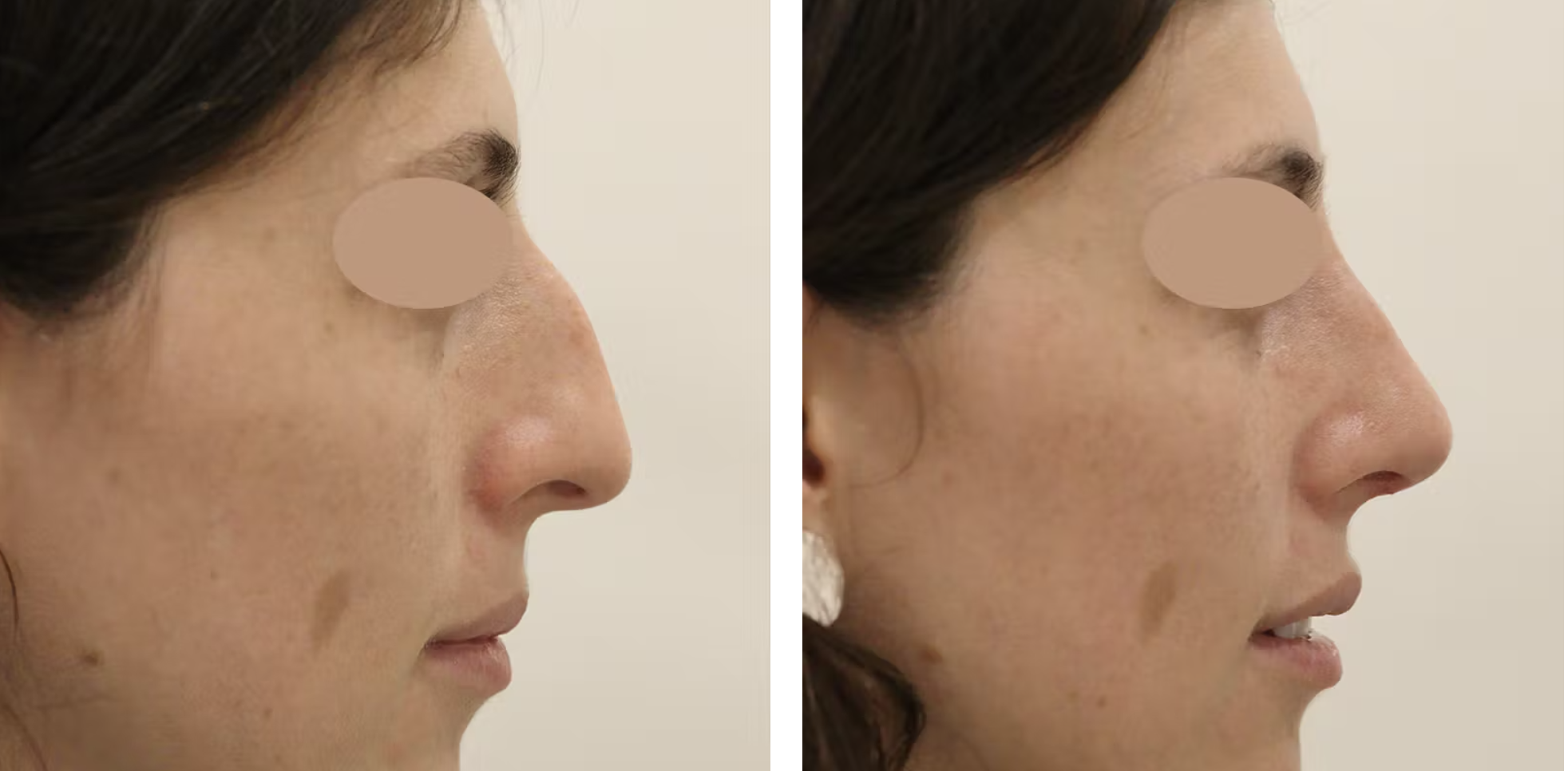
*Real Patient Results - Rhinoplasty after nasal trauma
How long does recovery take?
Initial healing takes about 1–2 weeks, but subtle swelling can last several months.
When will I be able to breathe normally again?
Most patients notice improvement within a few weeks, depending on internal swelling and any functional corrections.
Can I wear glasses after surgery?
Not right away because glasses can place pressure on the nose. Your surgeon will guide timing.
How do I clean my nose safely?
Use only saline sprays or rinses, and never insert anything unless instructed.
What should I avoid after rhinoplasty?
Strenuous activity, nose blowing, sun exposure, and pressure on the nose.
Is prolonged swelling normal?
Yes, especially in the nasal tip. Final results can take up to a year.
How should I sleep?
On your back, with your head elevated using a wedge pillow.
What helps bruising fade faster?
Cold therapy, rest, and avoiding blood-thinning substances (unless prescribed).
When can I return to work?
Most patients return within 7–10 days, depending on visible swelling and bruising.
Is recovery different for revision rhinoplasty?
Yes, revision procedures often require more careful monitoring and a longer healing period.
Dr. Lee Ann M. Klausner brings a rare level of expertise to every stage of the process. She is double board-certified in Facial Plastic and Reconstructive Surgery and Otolaryngology–Head and Neck Surgery, giving her a comprehensive understanding of both aesthetic refinement and nasal function. Her advanced training, including a prestigious fellowship under renowned rhinoplasty specialist Dr. Russell W.H. Kridel, means your care is guided by experience in even the most complex nasal procedures.
Every recommendation in this guide reflects that depth of expertise because recovery is not an afterthought. It’s part of achieving a result that looks natural, feels comfortable, and performs as it should.
If you’re considering rhinoplasty or want a personalized plan for recovery and results, it all starts with a conversation. Schedule your private consultation today and experience a level of care designed around precision, safety, and outcomes that truly reflect you.