Schedule a Consultation
a more confident version of you
Contact Us

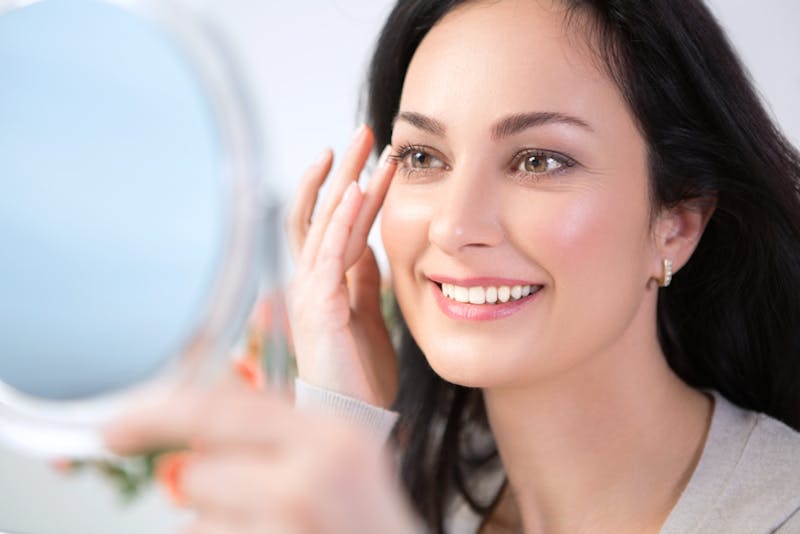
Minimally invasive cosmetic procedures continue to outpace surgical procedures, reflecting patient demand for treatments that provide meaningful improvements with reduced recovery times. The top non-surgical facial treatments in Manhattan for 2026 include neuromodulators such as Dysport®, dermal fillers, Morpheus8™ radiofrequency microneedling, skin resurfacing treatments, laser and light therapies, and advanced skin-tightening procedures.
At the Klausner Institute, Dr. Lee Ann M. Klausner combines extensive surgical expertise with advanced non-surgical treatments to create personalized treatment plans tailored to each patient's goals. Dr. Klausner is double board-certified by the American Board of Facial Plastic and Reconstructive Surgery and the American Board of Otolaryngology–Head and Neck Surgery, a Fellow of the American College of Surgeons (FACS), and has consistently been recognized as a Castle Connolly Top Doctor and NewBeauty Top Beauty Doctor. Her philosophy centers on achieving natural-looking results that enhance confidence while preserving individual expression.
In this guide, we'll explore the leading non-surgical facial treatments available in Manhattan for 2026, how they work, who they may benefit, and what patients can expect from a comprehensive facial rejuvenation plan.
|
Treatment Category |
Purpose |
Typical Downtime |
|
Neuromodulators |
Relax dynamic facial wrinkles |
Minimal |
|
Dermal Fillers |
Restore volume and enhance contours |
Minimal |
|
Radiofrequency Microneedling |
Improve skin texture and firmness |
1–3 days |
|
Laser & Light Treatments |
Address pigmentation, redness, and texture |
Varies |
|
Skin Tightening Treatments |
Improve laxity and collagen production |
Minimal to moderate |
|
Surgical Procedures |
Address more advanced aging concerns |
Several weeks |
Surgical procedures physically reposition, remove, or restructure tissue to address more advanced concerns.
Examples include:
These procedures typically provide the most dramatic and long-lasting results but require longer recovery periods. Non-surgical treatments improve appearance through injectable products, energy-based devices, and skin therapies without incisions.
Examples include:
Many patients choose non-surgical treatments as an early intervention strategy or as maintenance between surgical procedures.
Cosmetic procedures focus primarily on improving appearance and addressing aesthetic concerns.
Examples include:
Reconstructive procedures restore form and function following injury, disease, congenital conditions, or previous surgery.
Examples include:
Dysport® is a neuromodulator that temporarily relaxes targeted facial muscles responsible for dynamic wrinkles, including:
According to the U.S. Food and Drug Administration (FDA), botulinum toxin products work by temporarily reducing the muscle activity that contributes to the formation and deepening of these expression-related lines. By limiting repetitive muscle contractions, Dysport® can soften existing wrinkles and help prevent them from becoming more pronounced over time.
Its benefits include:
Dermal fillers are injectable products used to restore lost facial volume, improve contour, and enhance facial harmony.
Common treatment areas include:
Our patients love this option because it offers:
Research published by the National Library of Medicine demonstrates that radiofrequency microneedling can improve skin texture, laxity, and overall skin quality by stimulating collagen. Morpheus8™ combines microneedling with radiofrequency energy to stimulate collagen remodeling beneath the skin's surface.
Its benefits include:
Laser and light therapies use focused energy to improve:
Different technologies target different concerns, allowing highly customized treatment plans. The most common benefits include the following:
Non-surgical skin tightening treatments use controlled energy to stimulate collagen production and improve skin laxity. Common treatment areas include:
Benefits include:
One of the biggest trends in 2026 is combining treatments to address multiple aspects of facial aging simultaneously. Trends aside, the Klausner Institute has always designed treatment plans based on the fact that aging affects:
This comprehensive strategy often produces more balanced and natural-looking outcomes than any single treatment alone. Here’s an example of a Klausner Institute Multi-Modal Treatment Plan:
During this session, Dr. Klausner evaluates:
Dysport® may be used to soften muscle-related wrinkles.
Dermal fillers restore support and contour where volume loss has occurred.
Morpheus8™ or laser treatments address texture, pores, pigmentation, and collagen production.
Customized skincare and maintenance treatments help preserve results over time.
|
Treatment |
Best For |
Downtime |
Result Duration |
|
Dysport® |
Dynamic wrinkles |
Minimal |
3–4 months |
|
Dermal Fillers |
Volume loss |
Minimal |
6–24 months |
|
Morpheus8™ |
Texture and laxity |
1–3 days |
Long-lasting with maintenance |
|
Laser Resurfacing |
Pigmentation and texture |
Varies |
Long-lasting |
|
Skin Tightening |
Mild to moderate laxity |
Minimal |
Gradual improvement |
Costs vary significantly based on treatment type, treatment area, product selection, and the extent of correction needed. An in-person consultation is the best way to determine a personalized treatment plan and associated investment.
The American Board of Medical Specialties (ABMS) notes that board certification demonstrates advanced training, expertise, and commitment to high standards of patient care.
Patients should look for providers who:
As a double board-certified facial plastic and reconstructive surgeon, Dr. Klausner brings a comprehensive understanding of both facial aesthetics and function, enabling her to recommend treatments tailored to each patient.
Neuromodulators, dermal fillers, and radiofrequency microneedling treatments remain among the most commonly requested facial rejuvenation procedures due to their versatility, effectiveness, and minimal downtime.
No. Most non-surgical treatments require maintenance sessions to preserve results. Longevity varies depending on the treatment and individual factors.
For patients with mild to moderate aging concerns, non-surgical treatments may provide meaningful improvement. However, surgical procedures often remain the most effective option for significant skin laxity and advanced facial aging.
A comprehensive consultation with a qualified facial plastic surgeon is the best way to determine which treatments align with your anatomy, goals, and desired outcomes.
When performed by qualified and experienced providers, non-surgical facial treatments generally have strong safety profiles. Every treatment carries potential risks, which should be discussed during a consultation.
From Dysport® and dermal fillers to Morpheus8™, laser rejuvenation, and advanced skin tightening technologies, today's non-surgical options offer remarkable opportunities to refresh your appearance while preserving the features that make you uniquely you.
Dr. Lee Ann M. Klausner brings the expertise of a double board-certified facial plastic and reconstructive surgeon, Fellow of the American College of Surgeons, Castle Connolly Top Doctor, and NewBeauty Top Beauty Doctor to every treatment recommendation. Her patient-centered philosophy focuses on helping patients achieve a refreshed appearance without sacrificing their authentic identity.
If you're considering non-surgical facial enhancement and would like a personalized assessment of your options, schedule a consultation with Dr. Klausner today to learn which treatments may be best for you!