Named after Frederic E. Mohs, M.D. in the late 1930s, Mohs surgery or Mohs micrographic surgery is considered one of the most effective methods for treating and removing basal cell carcinomas and squamous cell carcinomas.

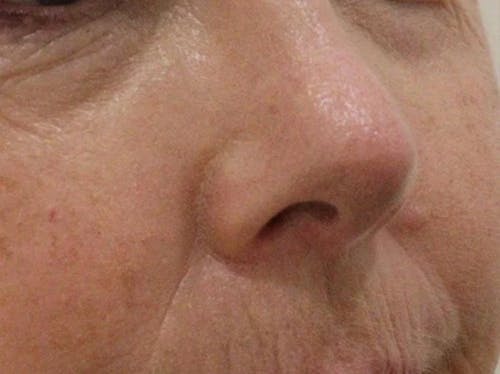
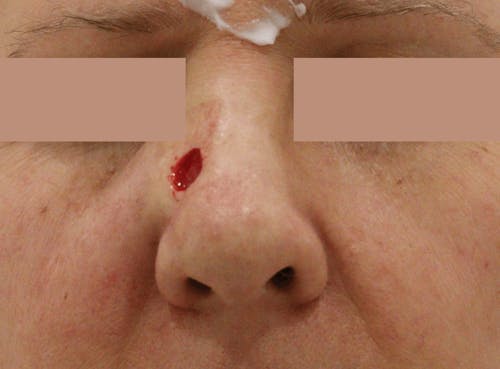
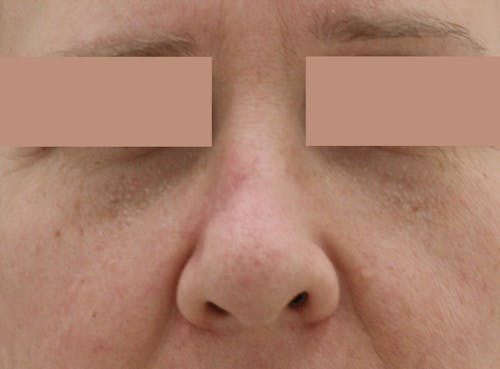






What can I expect during my consultation for Mohs surgery?
Dr. Klausner takes time with each patient so they understand what will happen after receiving Mohs surgery. We may review topics such as what the surgery entails and what is anticipated afterward. Patients are also encouraged to ask questions about the process. We aim to give our patients peace of mind and provide the best possible care. Dr. Klausner will carefully review your unique case during your reconstructive surgery consultation to ensure appropriate treatment. She will outline the reconstructive procedure in detail so you'll know exactly what to expect. Patients are encouraged to ask questions about the prices—we aim to give our patients peace of mind and provide the best possible care.
Will I have a scar from Mohs surgery?
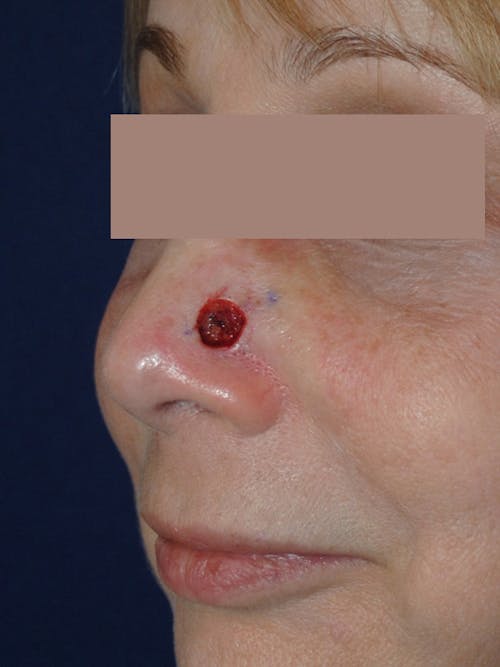
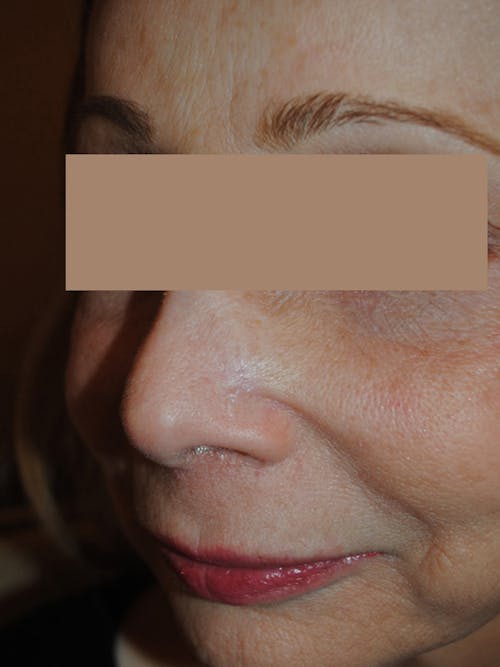
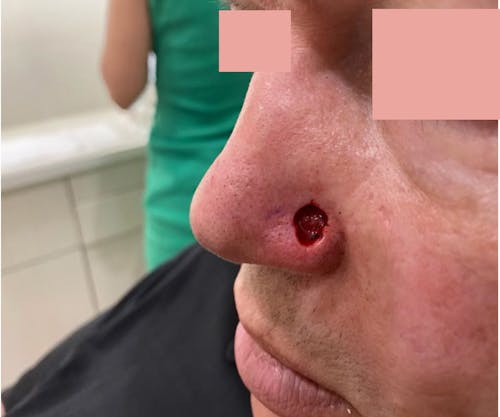
There may be some scarring after Mohs and reconstructive surgery that should fade over time. Dr. Klausner has intimate knowledge of facial aesthetics and can create a minimally visible scar after surgery. We do our best to camouflage or hide imperfections completely while providing simple aftercare instructions so patients know how to care for the treated area at home.
Is reconstructive surgery after Mohs surgery painful?
Mohs surgery is not considered painful, especially compared to more invasive procedures. It is usually outpatient, meaning patients can go home after surgery. Most patients require mild pain medication, but it’s possible to have the surgery completed without over-the-counter drugs. If you are concerned about discomfort, we can provide tips and advice for pain management.